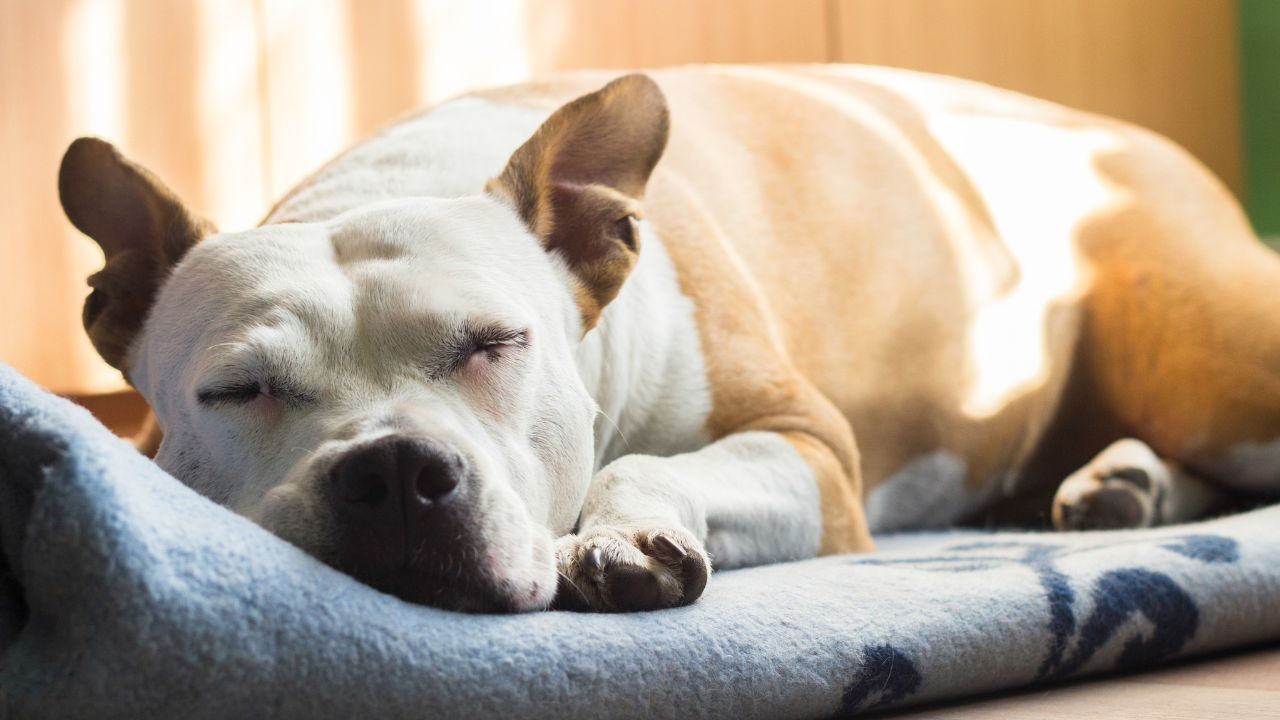
Tired or Wired? Is Your Dog Getting Enough Sleep?
 Trudi Sheridan
Is your dog tired or wired? Lack of sleep can affect behaviour more than you think. Find out how much rest your dog really needs
Tired or Wired? Is Your Dog Getting Enough Sleep?
Got a teenage dog who’s suddenly causing you a big headache? Zoomies at the worst times. Ignoring you totally. Can’t seem to switch off? Big reactions to things?
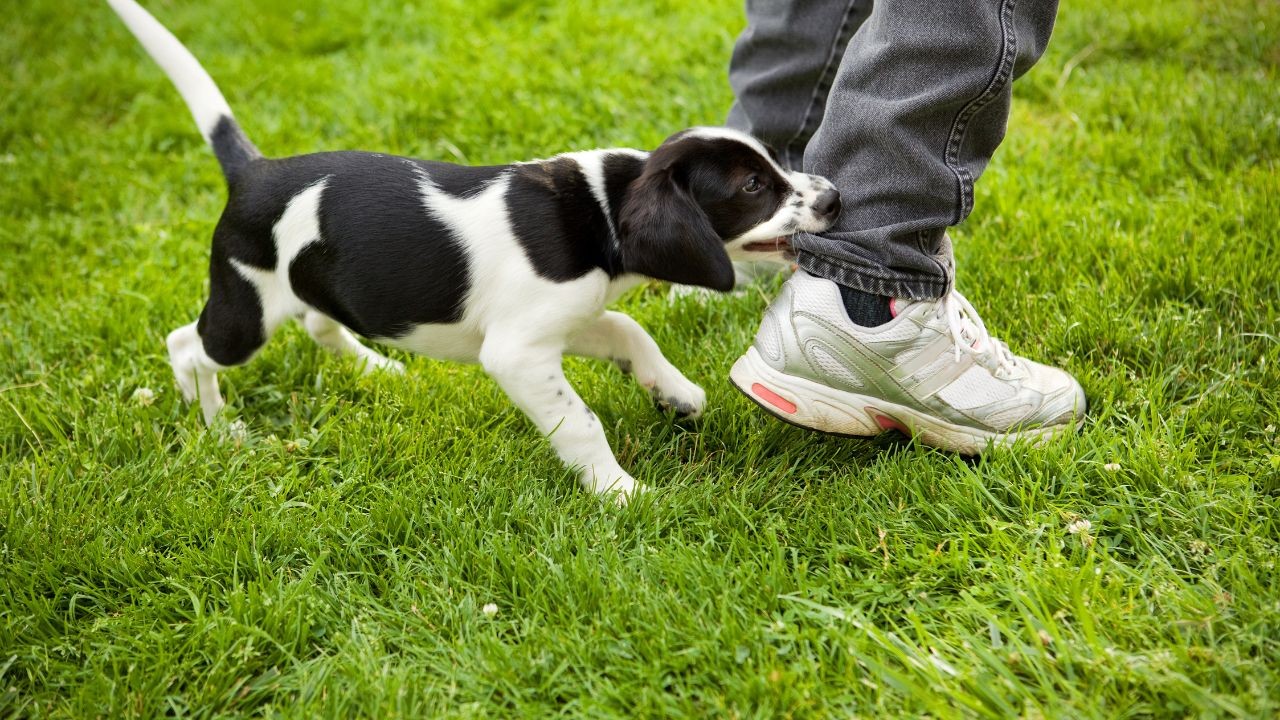
Maybe you’ve got a puppy who’s getting extra nippy and bitey and doing mad zoomies around the house.
Check they’re getting enough sleep.
Getting enough sleep is vital for puppies and dogs of all ages.
Just like us, when our dogs are lacking in sleep, we often see their behaviour change.
Adolescent dogs often look like they have endless energy, but many are actually running on empty. A dysregulated brain can’t learn well, so if your training feels like it’s falling apart, it might not be training—it might be fatigue.

How Much Sleep Does My Dog Need?
Puppies need between 18-20 hours of sleep because their brains and bodies are developing rapidly.
For adolescent dogs, between 14-16 hours of sleep is important. It’s so common for people to think their adolescent dog needs more exercise, more training, more physical and mental stimulation but often what they could actually do with is more sleep and rest time.
Adult dogs need between 12-14 hours of sleep to maintain good physical and mental health.

Tired or Wired?
You may have heard, "a tired dog is a good dog," and sometimes that can be true. But a dog who is tired from lack of sleep is very often an over-reactive dog or a dog that finds it hard to settle down and to self-regulate.
Help your dog get enough quality sleep and rest time
Create a calm space in your house for your dog to sleep, free of sudden noise and distractions. Ideally set up multiple places to give your dog choice. If your dog is disturbed by noise, you could play white or brown noise or relaxing music.
Comfort is Key
Make sure your dog’s sleeping places are comfortable. There are many dog bed options on the market - or you can let your dog sleep on your own bed or sofa.
Positions Matter
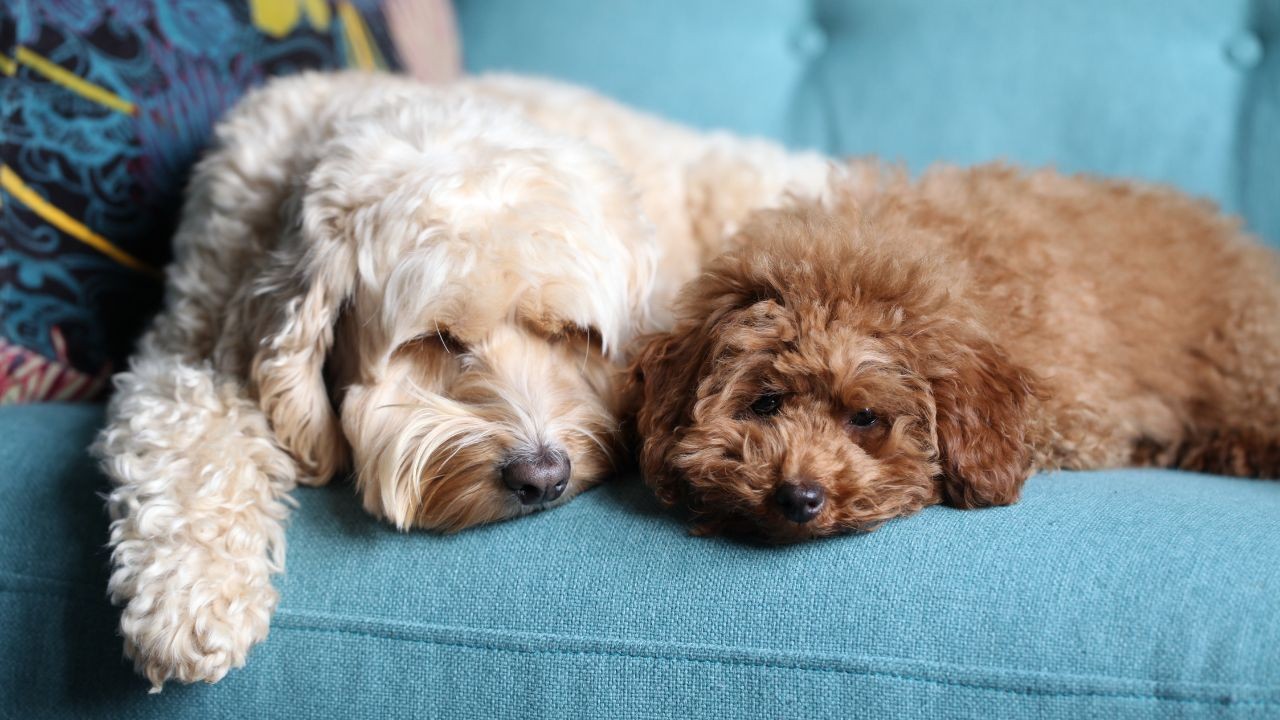
Your dog may like to curl up but lying flat helps to promote REM sleep. This is the stage of the sleep cycle which is most rejuvenating and is when you will see your dog dreaming. So make sure that sleeping flat is always an available option.
Dogs are social sleepers so often allowing them to sleep in the same room as you or another animal can help improve their sleep.
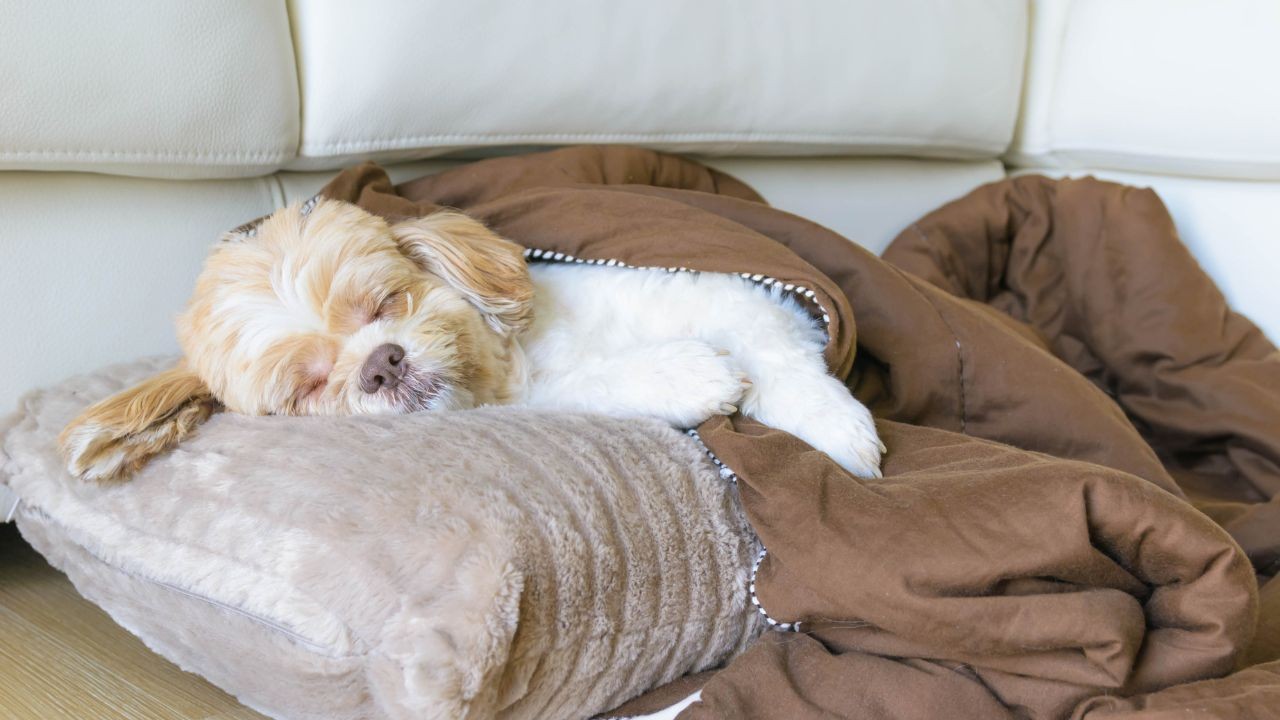
Daytime Naps
Wherever your dog likes to rest, make sure they can nap throughout the day. Their daytime sleep will often be shorter in length which doesn’t allow for deeper REM sleep to kick in. So it’s important to ensure they also get the opportunity for longer periods of rest daily.
Not sure if your dog is getting enough quality rest time?
It might be worth setting up a camera so you can monitor how much sleep they’re actually getting. Maybe there’s something that’s disturbing them.
Here are some of the things that can affect our dogs getting enough quality sleep…
Seasonal changes, lighter evenings, more nocturnal animal activity outside; Weather, extremes in temperature, thunderstorms. Sleeping near patio windows – birds outside, maybe next door’s cat? School holidays, people at home all day so less time for napping during the day. Autumn time, boilers coming on in the house, radiators clicking.
Next time your dog is having a difficult day, take a look at how much sleep they’re getting.
Rest for the body, and mind, can make all the difference!